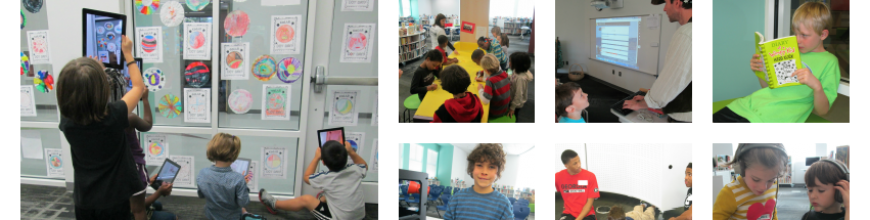
Since the beginning of the year, students have been itching to get into our library makerspace to use the many tools housed there. As the librarian, I try to weave as many of these maker tools into curriculum as I can, but the truth is that it’s just not fast enough for our students. Telling them, “I’m waiting to find the right piece of the curriculum to use the littlebits with”, is not acceptable. They want to tinker and explore and see how things work.
Recognizing this, I had to find a way to give them more access. I can’t say that I’ve found the perfect solution, but I’m working on it. I’m blessed to have the University of Georgia right next to our school. I’m even more blessed that the College of Education is within walking distance and Gretchen Thomas teaches in the instructional technology department. Gretchen is an educator who truly gets the realities and challenges of school. She wants her students to have experiences with what instructional technology really looks like in a school rather than guess about it in the college setting. She and I have been brainstorming about challenges that I face in the library and the makerspace has come up a lot in our conversations. We’re trying to create a plan to have adult support in the makerspace on a regular basis for students to explore during their recess time. This alternative to going outside isn’t the only solution, but it’s one that many of our students are willing to do in order to get their hands on the makerspace tools.
Even though we don’t have details worked out for Gretchen’s students to be in the makerspace, she has volunteered her own time once per week to come in and help. For the past 3 weeks, we have offered makerspace recess to our 4th graders. A whole range of students have shown up. I was very excited to see such a mix of boys and girls as well as several other kinds of diversity within the group as well.
During the 1st recess, Gretchen and I quickly showed the tools in the space: Sphero, littlebits, and MaKey MaKey. Students chose a starting place and jumped in. It didn’t take long until the Sphero was being driven around the library, being programmed to drive and jump over a ramp of books, and a maze of books, shoes, and legs was being created on the floor.
Students used the littlebits cards to snap together several suggested circuits, but it didn’t take long for students to start snapping random bits together to see what would happen.
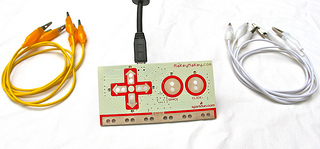
Students at the MaKey MaKey got out balls of Playdoh and started plugging in alligator clips. Gretchen showed them how they could type using the balls of Playdoh, and they also explored how to play the piano on the MaKey MaKey site.
This alternative recess is certainly supporting my library goal of allowing students to dream, tinker, create, and share. This free time to dream and tinker will only strengthen the curriculum work we do within the makerspace in grade level projects.
At some point, I’m sure we’ll create some structure to our alternative recess, but for now it just seems right to explore.
Last week, Mr. Coleman, 4th grade teacher, asked me if I had any extension lessons to support 4th grade’s study of stars and constellations. Specifically, their standard is:
S4E1. Students will compare and contrast the physical attributes of stars, star patterns, and
planets.
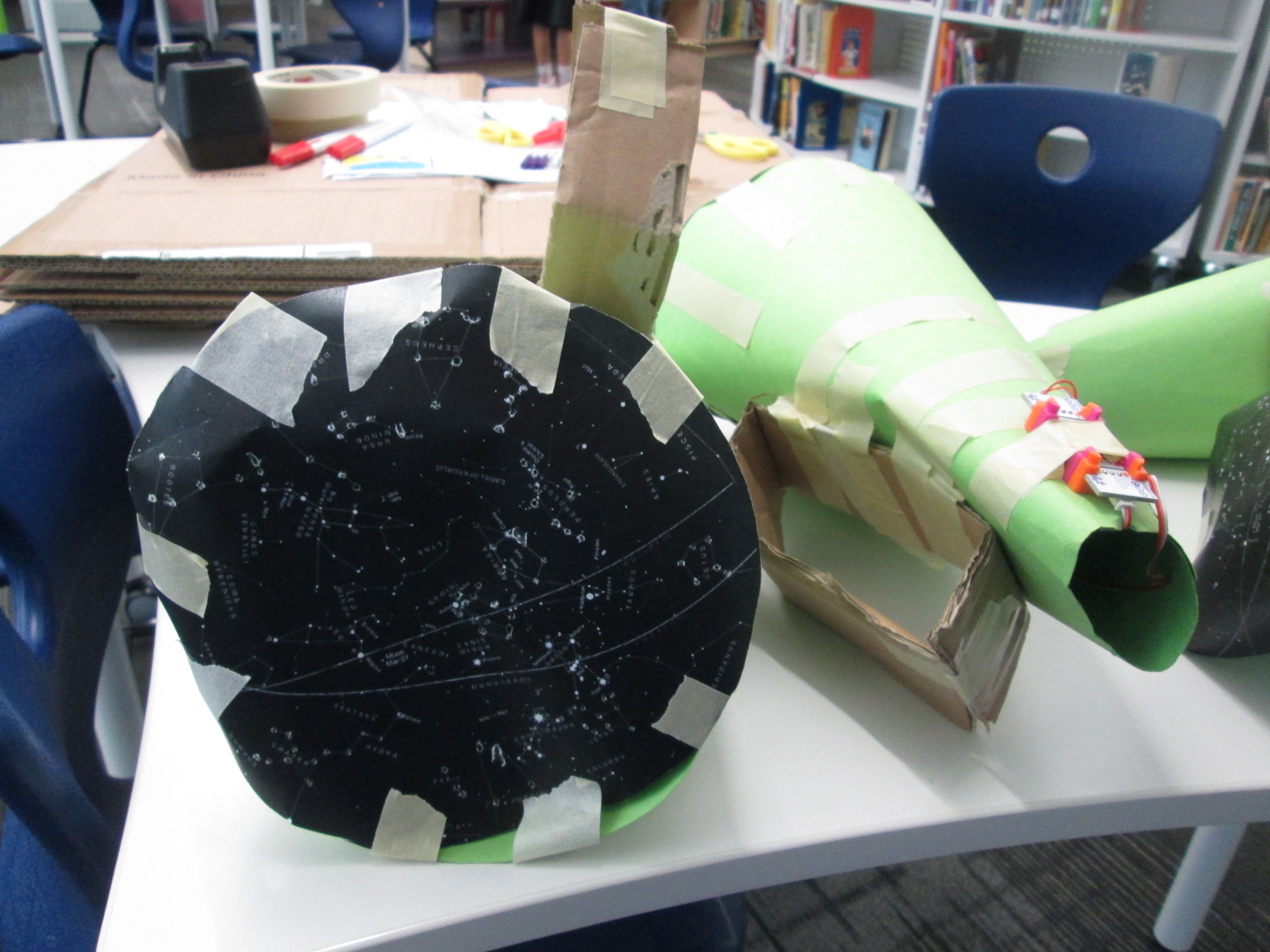
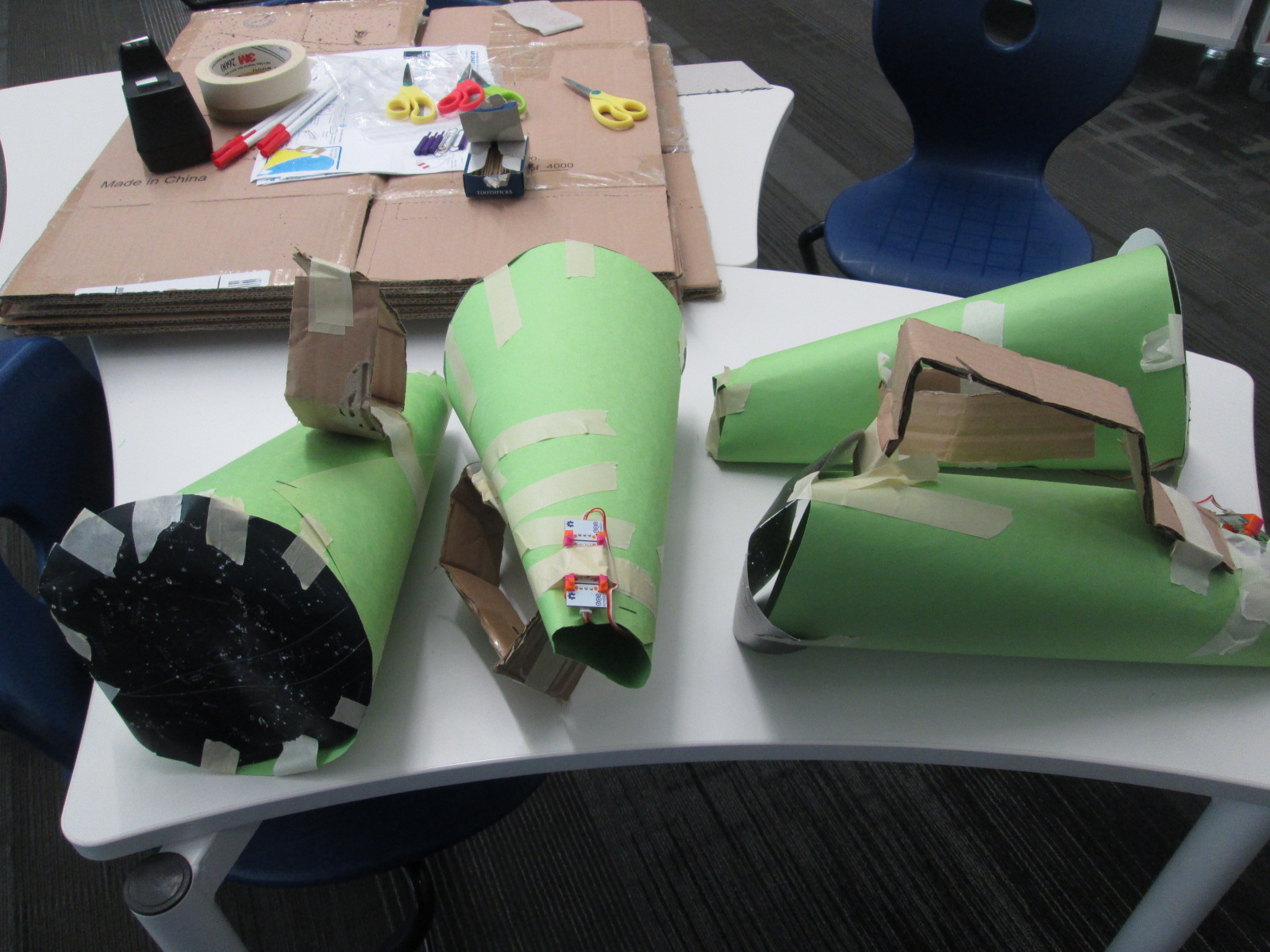
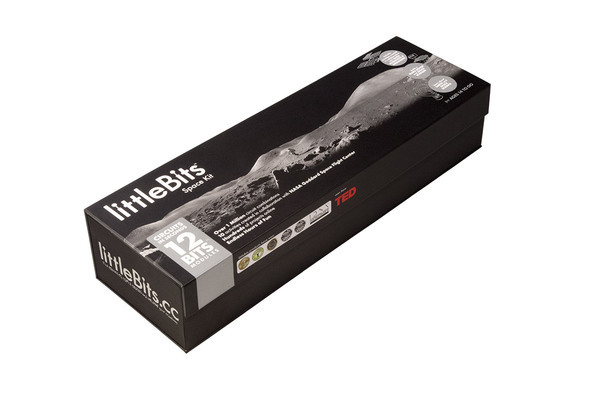
I suddenly remembered that a part of he littleBits workshop kit that I purchased this summer was a free space module. As I flipped through the book, I saw that you could use littleBits to make a start chart. This was the perfect opportunity for students to explore littleBits in a standards-based lesson with enough structure to give them a goal but still have an opportunity to do a bit of tinkering.
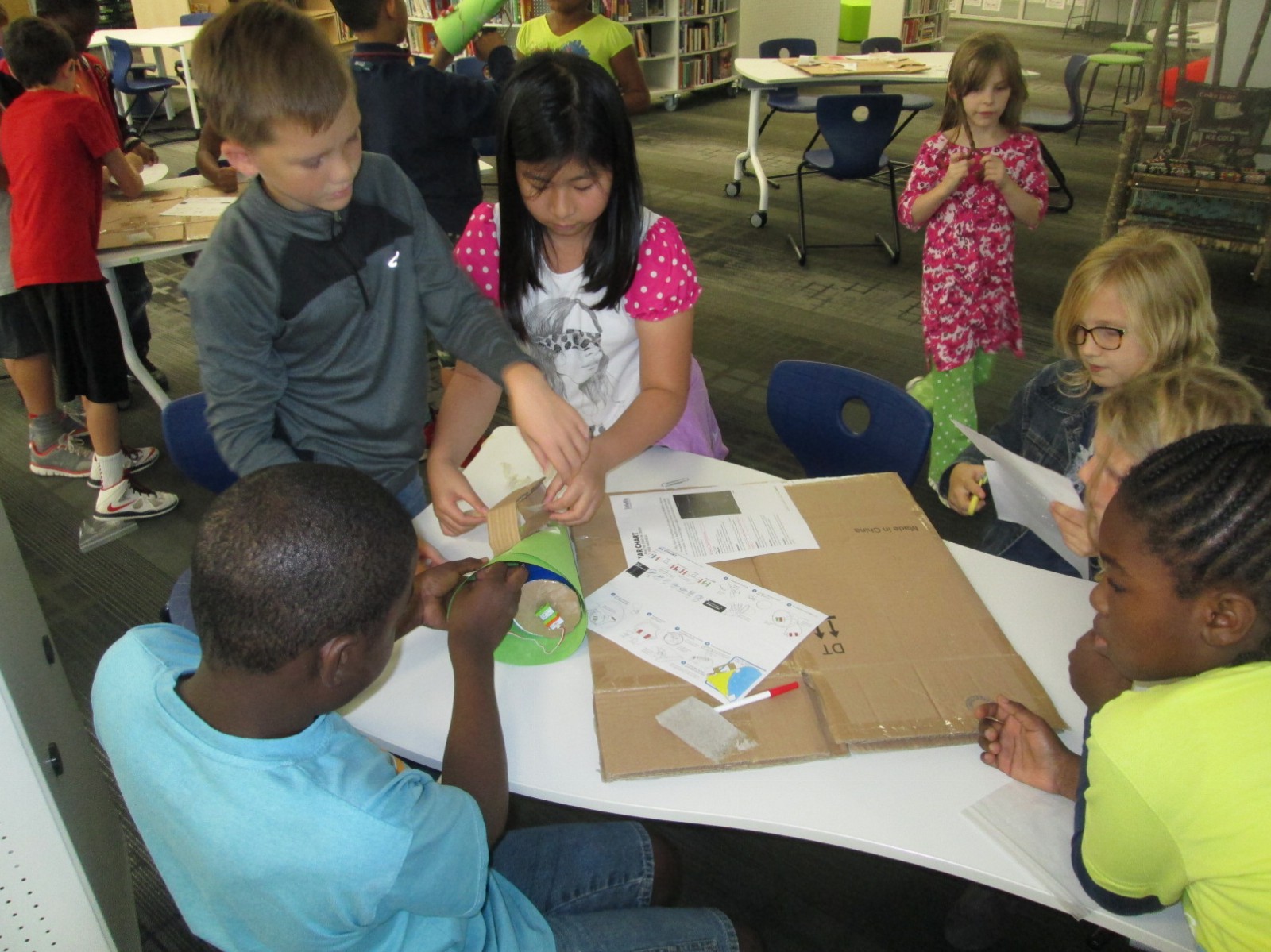
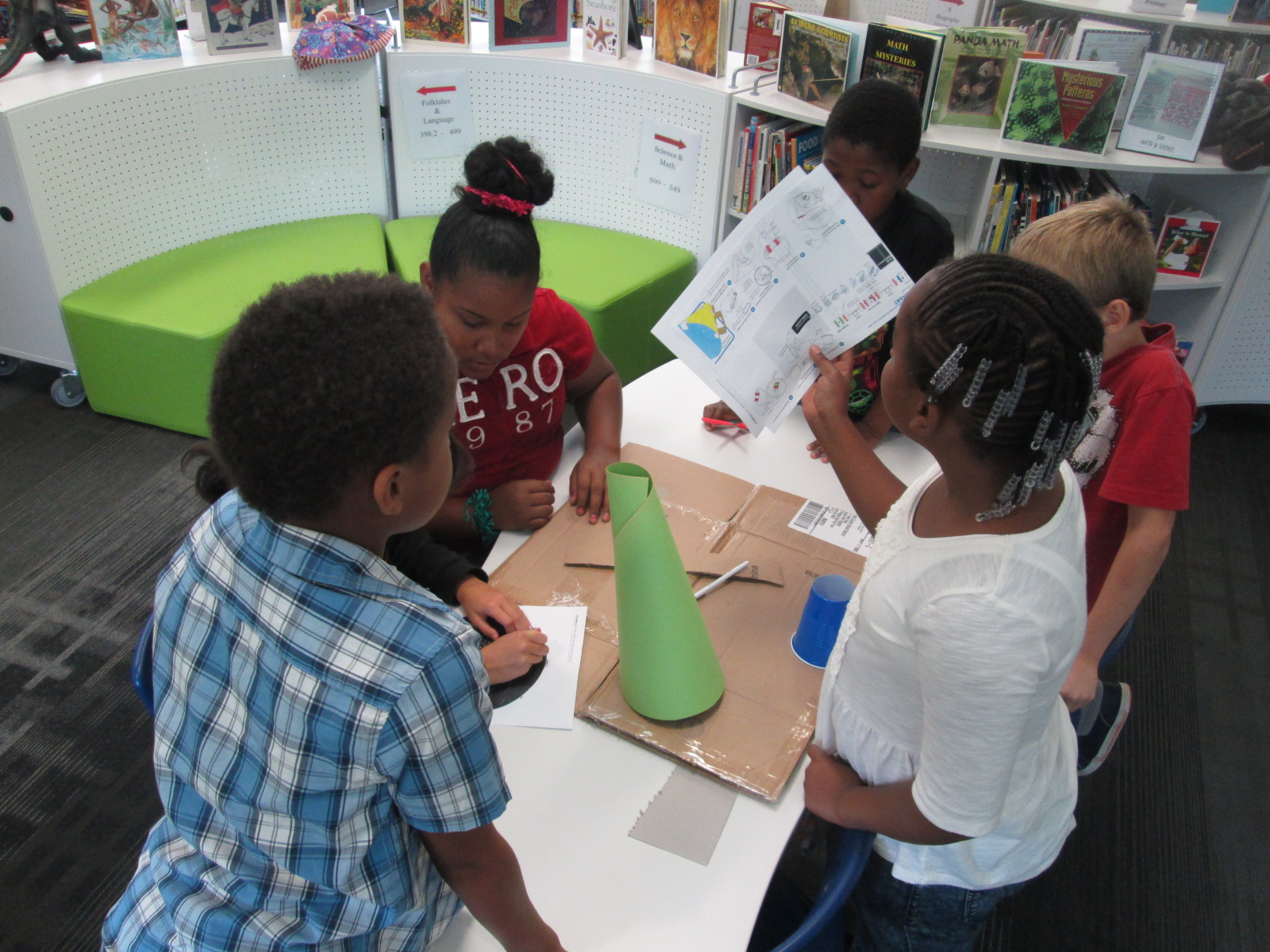
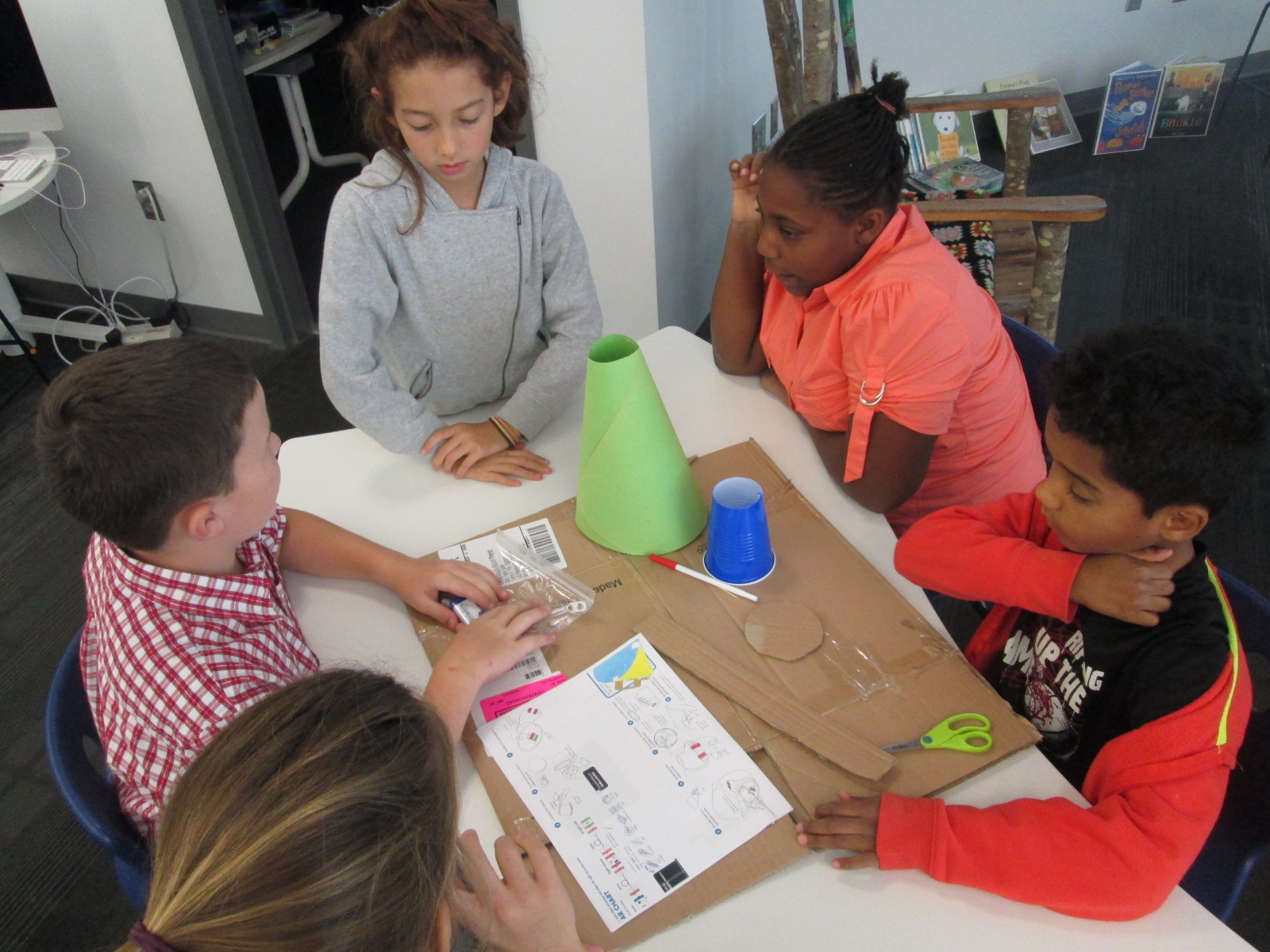
Because some of the steps involved using a box cutter to cut holes in a cup and a cardboard circle, I did a few steps ahead of time for them. On a large piece of cardboard, I gathered materials for each group:
a ziploc bag of the littleBits needed, including the battery
a littleBits screwdriver
scissors
tape
a toothpick
a pen
a cone made out of construction paper (many thanks to Gretchen Thomas for helping me figure out how to make a cone!)
a plastic cup with the bottom cut out
a cardboard circle the size of the mouth of the cup
a strip of cardboard
a set of instructions
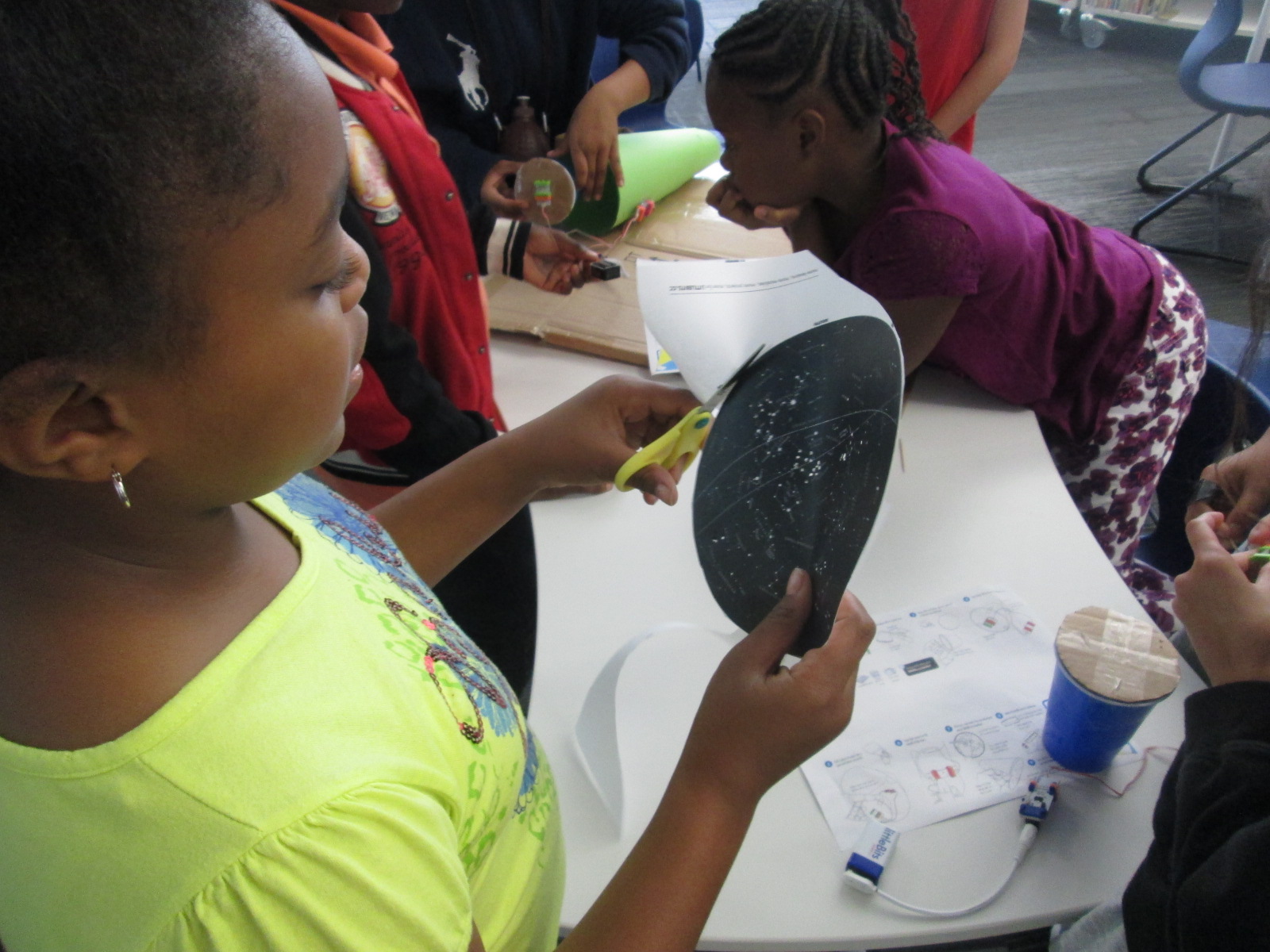
a copy of a star chart
We started the lesson together on the carpet. We watched a short intro video:
I told them that our goal was to make a device that lit up when it was in a dark room and projected stars onto the ceiling.
We talked about failure. I emphasized that this class was the first class in the school to use littleBits. We talked about failing, taking a deep breath, backing up, and trying again when something didn’t work. I also talked about teamwork and time management. This was to emphasize that the more they worked together and didn’t give up the more likely they were to be successful in making their chart.
I also made suggestions about how teams might think about dividing up the work load. For example,
1 person might try step #7 and prepare the star chart
1 or 2 people might try step #1 to assemble the bits
1 or 2 people might try steps #3, 5, and 8 to create the cone
1 or 2 people might try step #4 & 6 to attach the bits and test the device
This was only a suggestions. Teams were welcome to do every step together or divide the work up in other ways.
Notice that I didn’t say anything about explaining littleBits, what each bit was called, what their function was, or how to put them together. I knew that the kids were perfectly capable of figuring this out on their own, and they proved me right.
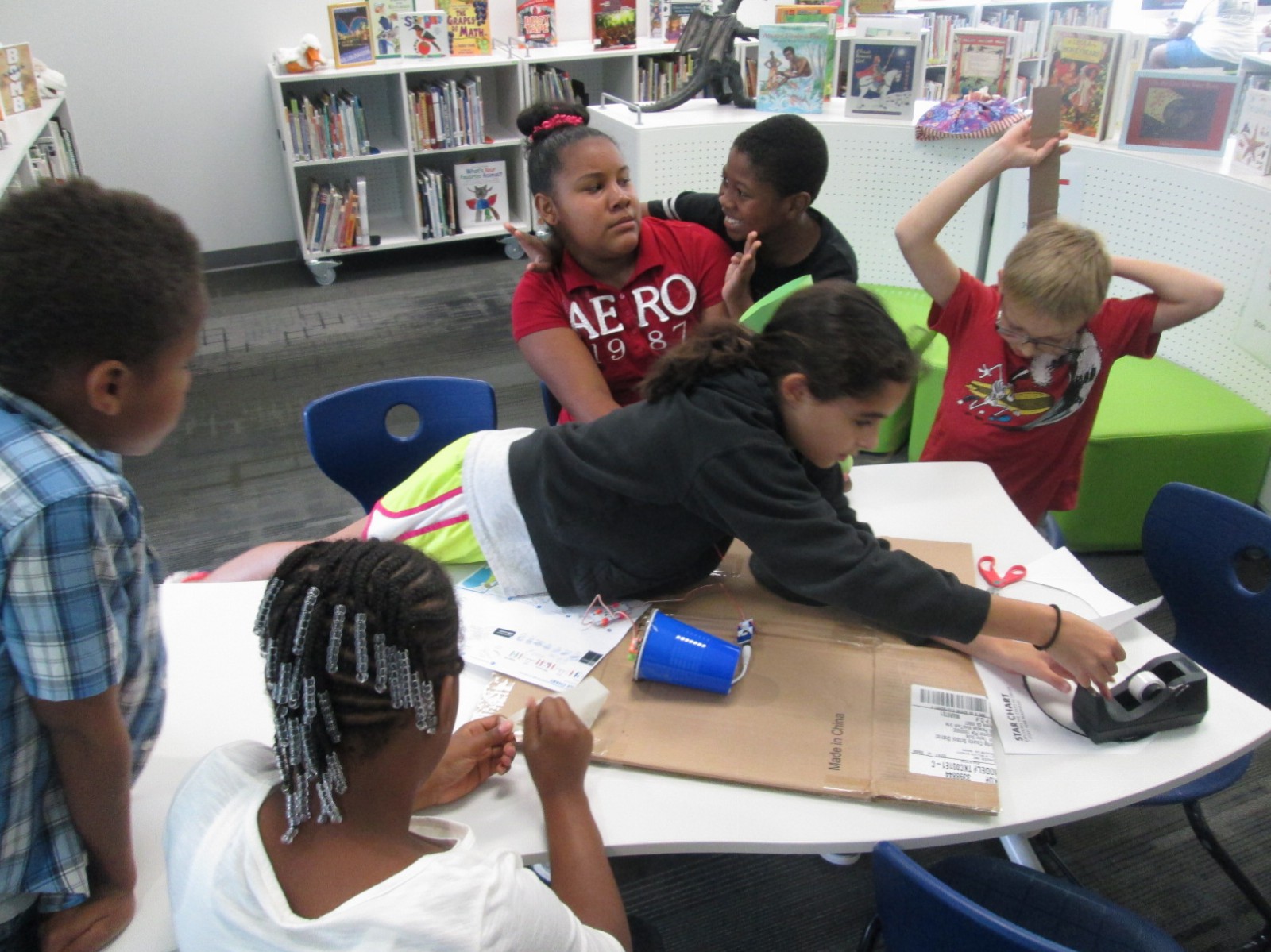
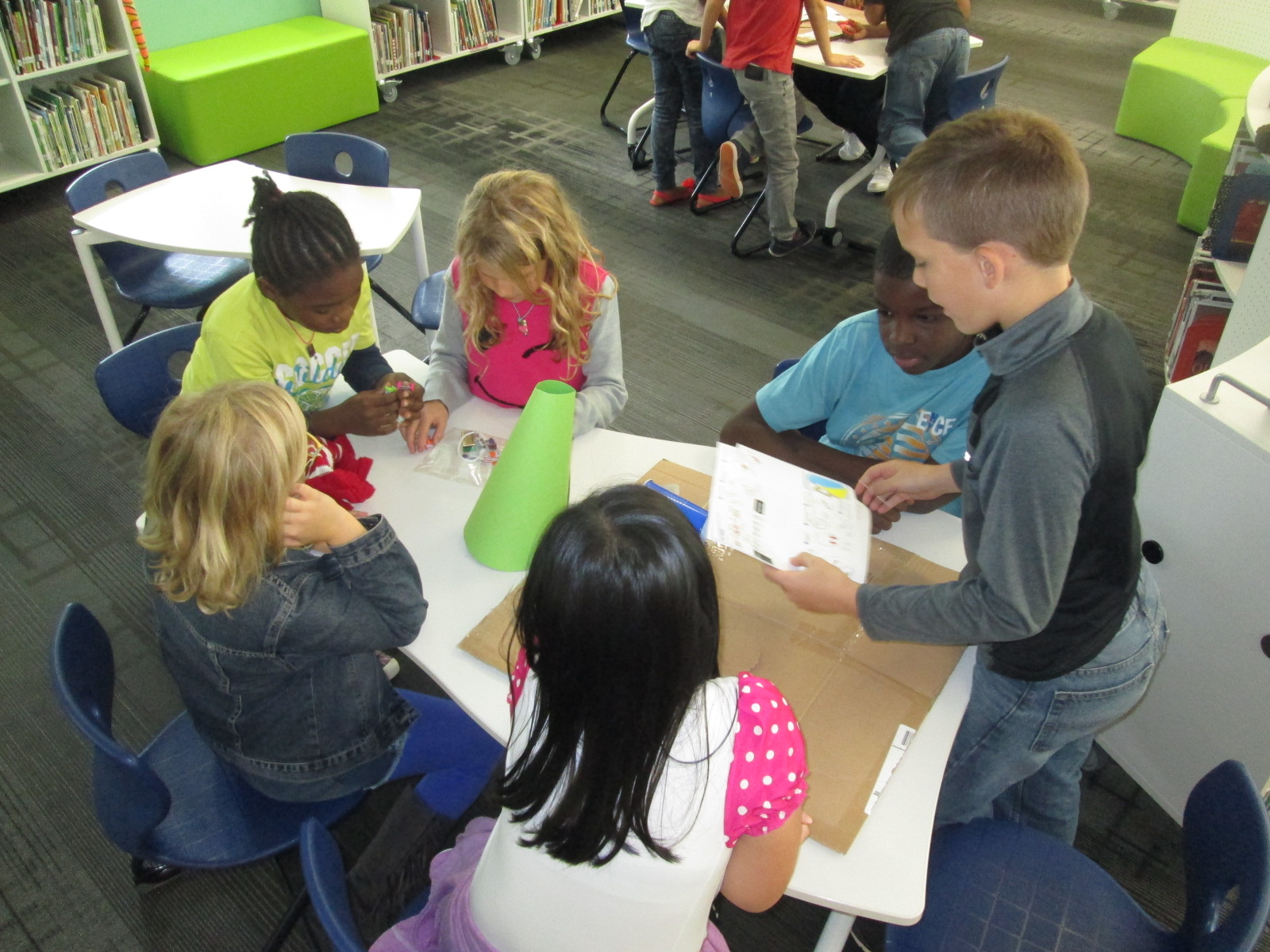
Mr. Coleman helped divide the students into groups and they got right to work. I was amazed by how the groups took time in the beginning to assign roles before working. It was a rare moment to look at a table and not see someone working on some aspect of the star chart.
Mr. Coleman and I walked around and encouraged groups to read directions, try new things, work together, and gave a few helpful nudges as needed. However, we did not create the star charts for any group because we wanted students to experience tinkering, failure, and the power of reading and following directions.
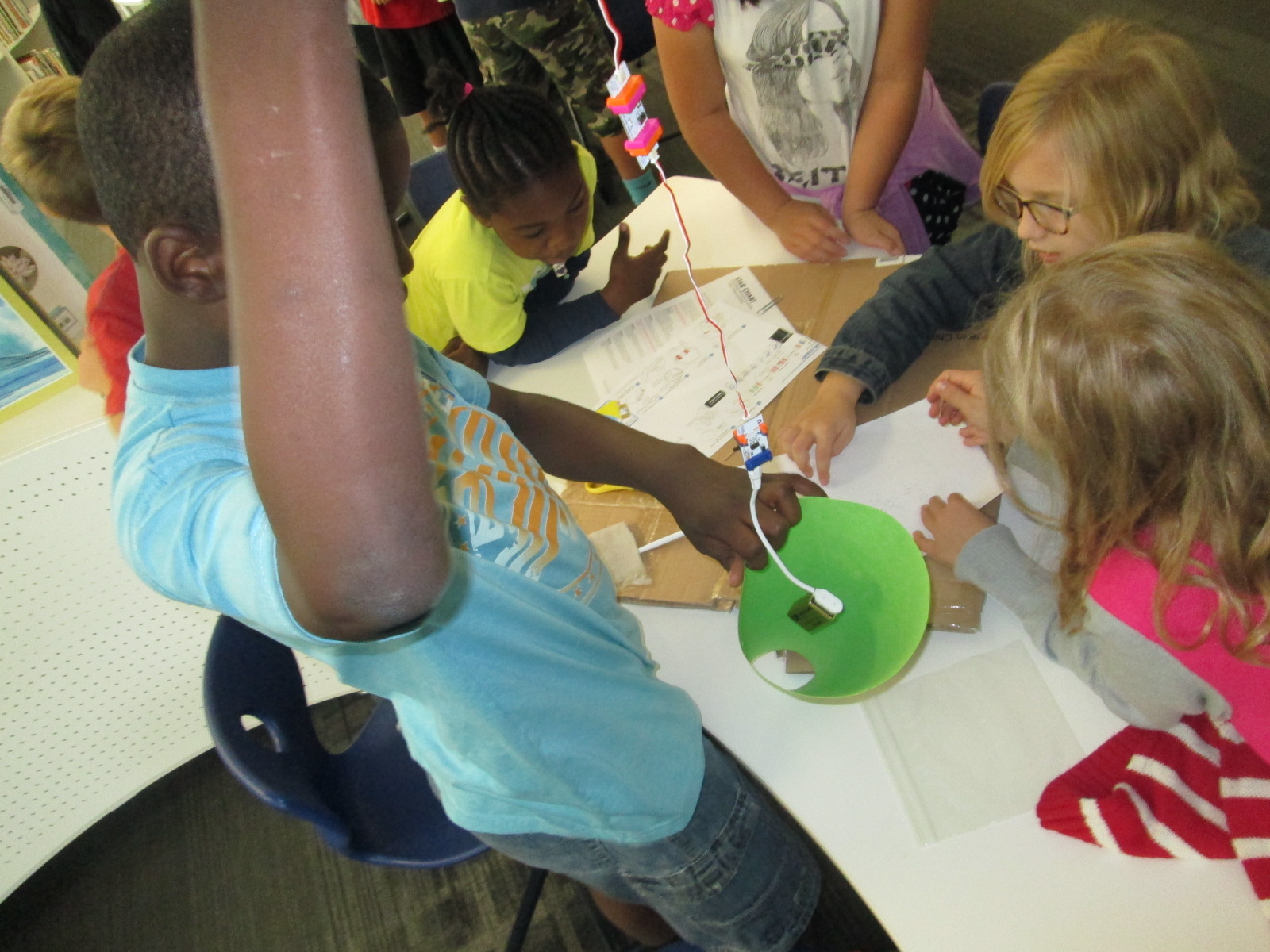
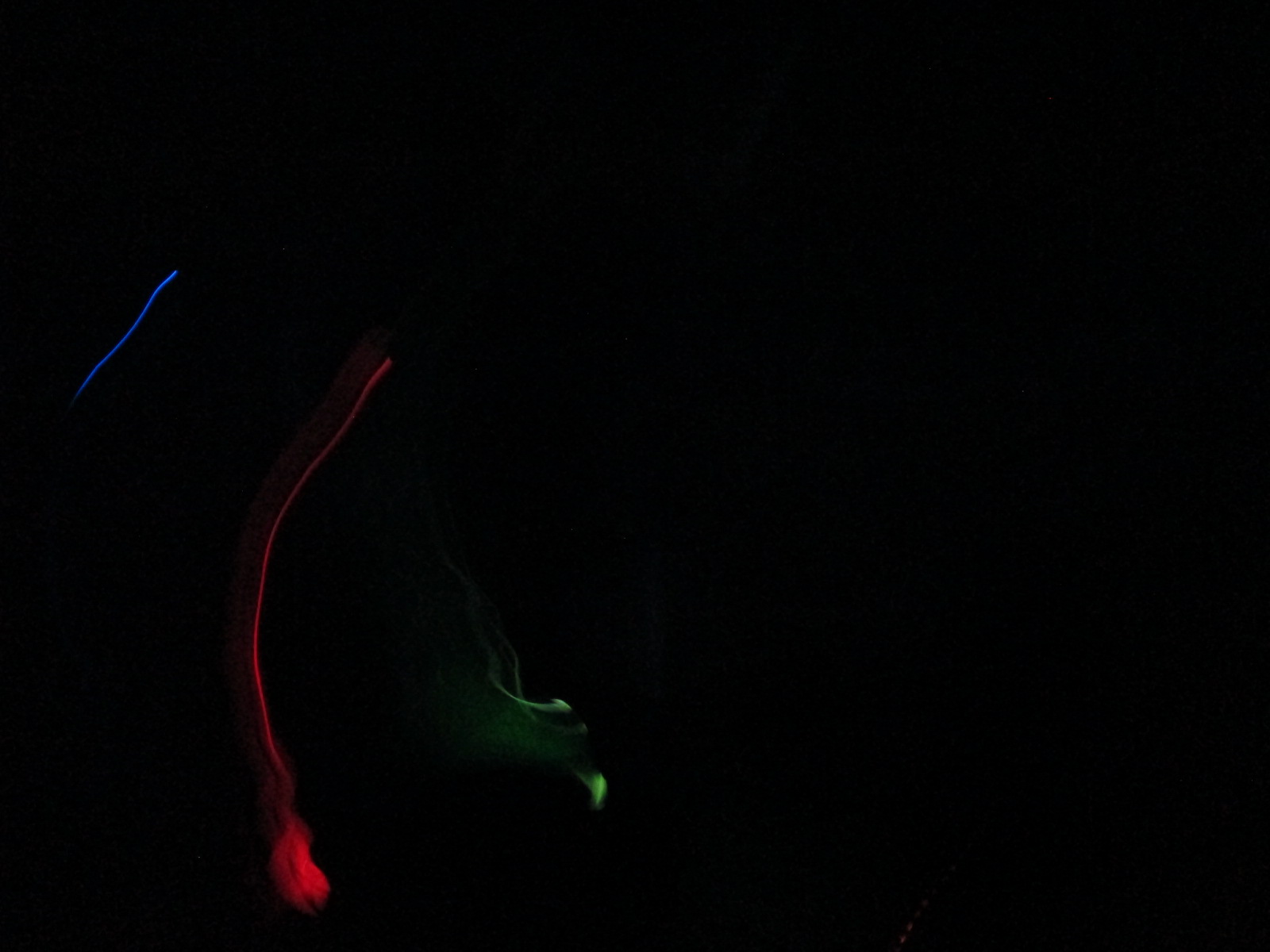
There was a definite energy in the room and it was by no means quiet. Each time something started working, the energy level increased. Groups started taking their devices into our makerspace and equipment room so that they could turn off the light and test their invention. As pieces worked, they screamed with excitement, but as they failed they hurried out, disassemble their work, and started over.
Once again, I was amazed by how no students stopped working and no students reached a point of frustration where they shut down.
We even had a group who were still working when we were debriefing the whole experience because they wanted to make their star chart work. They didn’t give up for a second.
When the charts worked, students spent a bit of time looking at their constellations on the wall and ceiling.
During our debrief, we talked about what we learned about littleBits as well as what next steps students might take to learn about constellations. I encouraged them to learn some of the stories of the constellations and to actually look for them in the night sky.
For the littleBits, students figured out that you could adjust the sensitivity of the light sensor to come on when it was light or dark. This was a point of failure for some groups. Others talked about reading the words on the bit including the power bit that says “on” or “off”. Missing that one simple word “on” could be the difference between failure and success, and many groups forgot to turn their power on before testing their device.
Before students left, I told them that this was only a small taste of what littleBits can do, and I encouraged them to think about other inventions they might create during the year and to come and explore the other bits and their possibilities.
At our “Meet the Teacher” night back in August, several students raced into the library to tell me about project ideas that they dreamed up over the summer. As soon as I heard their enthusiasm, I knew that one of my library goals, “To empower student voice”, was going to be an important one for this school year. One student shared about his idea to design his own Skylanders and 3D print them. Another wanted to create a set of model trains on the 3D printer. Another wanted to explore the MaKey MaKey. and program things. I told them all that we would figure out how to make this happen this year, but I needed some time to get the library going.
As usual, the start of the school year has been busy getting projects, lessons, and technology off the ground, so I had not gotten back to these students. I just love when students feel comfortable to raise their voices. I received an email a few days ago from two students that went something like this:
Dear, MR Plemmons
We would like to come to the makerspace once a week during recess if possible. We would love to use the makey makey to possibly control Sphero. If this is possible please email back.
I knew I needed to make this happen fast because I had already waited too long to let these guys start tinkering, so I responded back:
When is your recess and what day are you thinking of? I want to make this happen for both of you.
And then they responded back with the day, time, and:
Thank you for giving us this opportunity.
The first day of tinkering was just awesome. Within a matter of minutes, Kearn had the MaKey MaKey connected to Play Doh and was controlling a train simulator on the computer. Ludwig controlled the horn and Kearn drove the train. Kearn wanted to make a video to show what he had done, so we pulled out an iPad and made an impromptu video which he wanted to add to his Youtube channel. He also started following my blog and even left a comment about how much he loves the makerspace. Both students were completely independent and were perfectly capable of dreaming, tinkering, and making on their own. I was available for support as needed, but they really just wanted a space to explore. As they continue, I want to connect them with some experts that might mentor their ideas and curiosities, but for now, they just need to tinker.
This is what I’m talking about when I say “empower student voice”. These two guys are full of energy and passion about making. I am sure that they will figure out so many things that I couldn’t even imagine myself during the course of this year. They willingly share their knowlege and expertise, and I’m sure that their tinnkering, failures, and successes will inspire and support many other student projects during the year. When I see two students get so excited about learning like this, I can’t help but think about what other opportunties students need to spark their own passions for learning. I hope that our makerspace is just one space that ignites students’ curiosities this year.
Last year, a book impacted my life, my library program, and found its way into so many conversations with students, teachers, and librarians. “Expect the Miraculous” came to be our mantra in the Barrow Media Center thanks to Flora & Ulysses: The Illuminated Adventures by Kate DiCamillo. It was all thanks to p. 130-131.
This summer, as I sat down to develop our library program goals for the 2014-2015 school year, that mantra of expecting the miraculous everyday was still a big part of my thinking. However, this summer I carried so much more with me as I reflected on goals.
I had the moonshot thinking and action plan of the Google Teacher Academy and becoming a Google Certified Teacher.
I had the Invent to Learn Workshop with Sylvia Martinez and Gary Stager.
Photo credit: Sue Levine
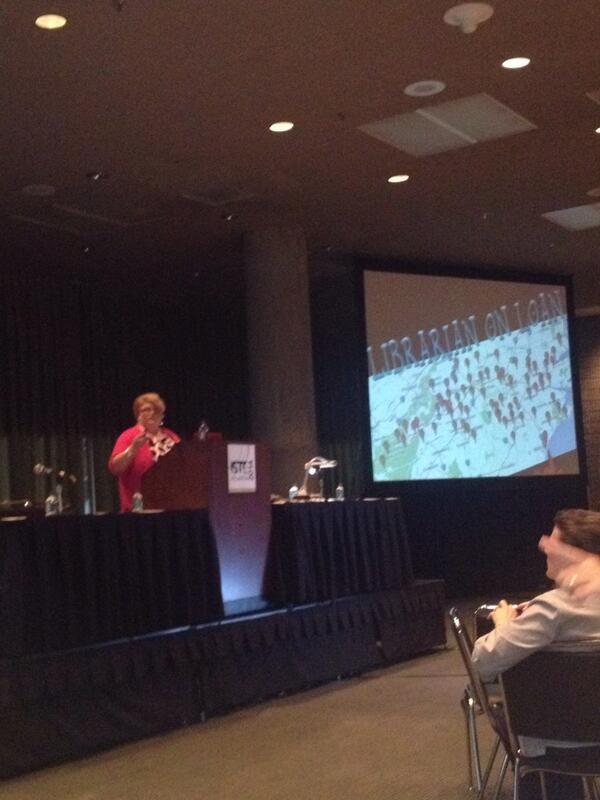
I had numerous experiences at the ISTE 2014 conference including a zombie fighting keynote from Jennifer LaGarde, empowering talks from George Couros and Todd Nesloney, and inspiring keynotes from Ashley Judd and Kevin Carroll about the importance of each child’s story and the importance of play.
The more I reflected on my summer professional learning experiences the more I realized that I wanted this year’s goals to be different. In the past, I’ve made big goals about developing the participatory culture in our library, but I’ve also made specific goals about the collection. While the collection is important, it is not my primary focus for the library program. I was reminded of a question in Jennifer LaGarde’s keynote about the Dewey decimal system and her answer of “who cares”. Who cares if I have specific goals about the library collection? What cares if the 300’s have the recommended number of books? Who cares what the average age of the biographies is? The heart of the program isn’t the physical collection. The heart of the program is the students, the teachers, the families, and the community. The heart of the program is the opportunities that they have through the library. Now, I’m not saying that I’m abandoning the collection or that I don’t have goals about the collection. It’s just that my primary goals of the library aren’t about the collection.
I want goals that I can carry with me into every collaborative meeting that I attend. I want goals that I can put up on the walls of the library and add tangible evidence throughout the year of how they are impacting the students, teachers, and families in our school. I want goals that support our school and district goals as well as reflect what is being talked about on a global level.
This week, I will share these goals with our faculty during pre-planning, but they’ve already faced their first test. During our first day of pre-planning our principal set the stage for our year. I must say that it was one of the most inspiring opening days that I’ve ever been a part of because it wasn’t filled with duties and responsibilities, mandates, and daunting changes. Of course, all of those things will be present this year, but our principal chose to focus on how we can value each child’s story, how we can add to and enhance that story by what we offer at school, and how we can develop a vision and mission for our school that represents what we truly believe in education. As I listened and as I talked with other teachers, I was already carrying my goals with me, and I must say that I felt really good about the 4 goals that I’ve chosen.
These are the goals that are based on the themes that consistently surfaced in all of my reading, professional learning, conversations, and reflections.
Goal 1: To provide students, teachers, and families opportunities to dream, tinker, create, and share
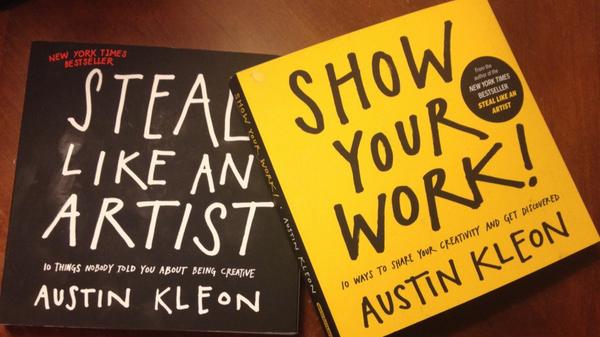
I chose these verbs carefully because I think that the order matters. So often, we feel the time crunch in education and I think we often jump to having students make something with so many detailed requirements that they don’t have time to dream about what they hope they could make or have time to mess around, fail, and learn from those failures. As I plan projects with teachers this year, I want to intentionally plan spaces for students to pause and wonder and have time to explore before they actually create a final product that is shared with an authentic audience. I want us to think carefully about how we “show our work” just as Austin Kleon outlines in his books. He says, “If your work isn’t online, it doesn’t exist.” I’ll be thinking carefully about how we give students opportunities to create and also how they share their process as well as their final product.
Within this goal, I have subgoals about the number of large-scale projects I will do with each grade level, the development of our library makerspace, the collaborative relationships with our community makerspace and tech startup, and embedded digital citizenship.
Goal 2: To engage in global thinking and global collaboration
I can’t even count the number of times that global thinking and collaboration came up this summer. I feel like so many people around the world are primed and ready for this endeavor during the upcoming year. Last year, our library was more connected than it has ever been through authors, guest speakers, reading events, and peer feedback through Skype and Google Hangouts. Even though we felt connected, most of our work was projects or single connections. I would love to see global thinking and collaboration become more evident in what we do through long-term collaborative relationships around the globe and authentic questions and projects that matter to the world. Within this goal are the many networks that I will be a part of this year including GlobalTL, Connected Classroom, Skype in the Classroom, and my Twitter PLN. I’m inspired by the work of Sylvia Rosenthal Tolisano and will look at her work as we plan this year.
As teachers and I plan this year, we will ask ourselves how we are being global thinkers and how we are connecting our students beyond the walls of our school.
Goal 3: To empower student voice
When I thought about this goal, I was reminded of many stories shared by George Couros at ISTE including the story of a little boy who made a video where he overjoyed by getting one “like” on a social media post. I was reminded of Todd Nesloney sharing about his math fair and how he asked students to “wow” him by showing their math knowledge. Students did more that “wow” him. They shared their passions in life, involved their families, and were empowered. I was reminded of how we all want to be heard and feel like we’ve made a difference. As I plan with teachers this year, I want to ask how we are empowering each student by allowing them to share their passions and feel that their voice is heard. In the library, I will continue to explore this as well by giving students opportunity to document our year, make decisions about library resources, share their passions through contests and displays, pass on their expertise through co-teaching experiences, and listening closely for opportunities I don’t even know about.
Goal 4: To support the reading habits and curiosities of students, teachers, and families
It’s no secret that the more you read the better reader you become. You of course need to have the skills and strategies to accompany that time commitment. You also need access to reading that matters to you. This year I want to be more intentional about supporting reading curiosities to match students, teachers, and families to the kinds of stories and information they are looking for. I also want to be more intentional about documenting that commitment to reading. Our library is not the only source of reading materials, so I want to continue to build a collaborative relationship with the public library, local bookstores, and other community resources to all work together toward a common goal.
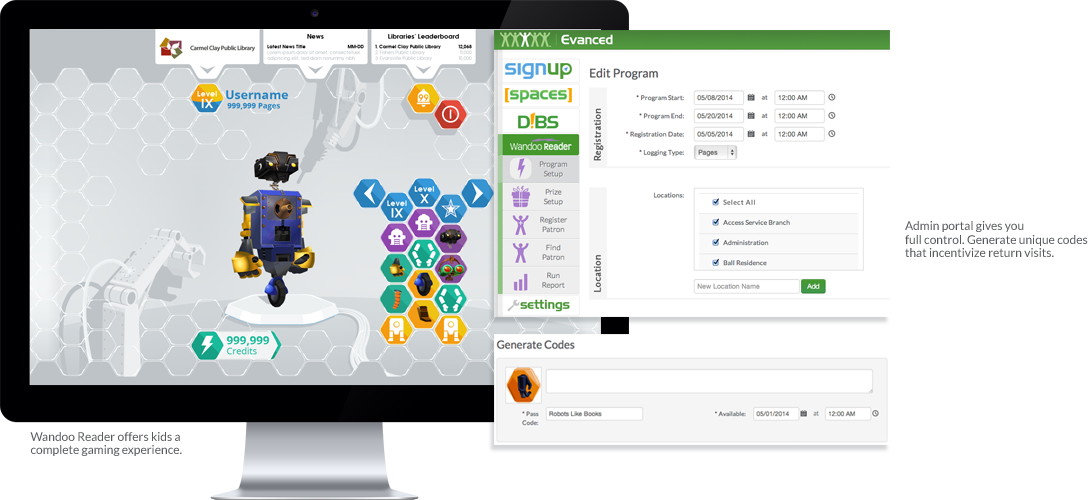
This year, we will explore an Evanced tool called Wandoo Reader. This tool will give students a portal for documenting their reading lives through tracking book titles and minutes read. Along the way, there will be challenges issued to students, and within Wandoo Reader, they will earn pieces to a robot that they will customize. I hope that this tool will offer a level of engagement for tracking reading as well as encourage students to spend more time reading in multiple ways from multiple locations.
Our planning will begin this week and I look forward to carrying these goals with me, trying them out, and see what miraculous things happen this school year.
What are YOUR library goals? I invite you to think about them in new ways and share.
(Don’t forget to use the code “INSPIRE” at checkout!)
Here are the details of where this project is coming from:
Our library has always been a space where we value creating and sharing just as much as consuming information. Last year because of a Donors Choose project, our library received a 3D printer and it allowed our students to create things that they had never even thought of. The makerspace culture is alive and well in our library, but we have a long way to go to exploring makerspaces and how the culture of a makerspace supports students, teachers, and families.
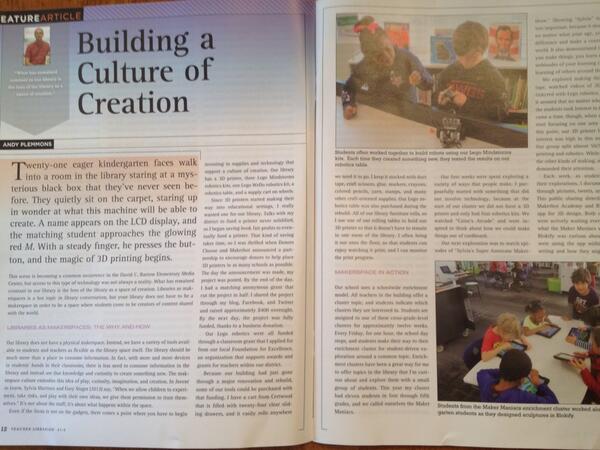
Over the summer, I had an article published in Teacher Librarian about the culture of creation that we are developing in our library and school. In that article, I talk about the culture, but at some point you have to get some “stuff” to create with.
“Building a Culture of Creation” in the June 2014 issue of Teacher Librarian
This year, one of our library goals is to give students, teachers, and families opportunities to dream, tinker, create, and share. A part of this is developing the tools that are available for creating in our library. Our space which we thought was going to be a studio is now going to be a makerspace within our library. A portion of our library funding this year will be dedicated to developing our makerspace. After attending an Invent to Learn workshop and focusing on makerspaces at ISTE this summer, I have chosen some next steps for our makerspace.
This Donors Choose project will extend our budget and give students even more access to maker materials by adding.
littleBits Cloud:
4 additional MaKey MaKey kits:
Sphero:
I hope that you will consider supporting our project. It will impact numerous students, teachers, and families within our school through projects, alternative recess activities, enrichment clusters, and afterschool workshops. Even if you can’t contribute financially, please consider sharing this project within your own networks. I will be sure to blog about our explorations throughout the year. Thank you in advance!
Today, Mrs. Kelly Hocking brought her Kindergarten class to the library to begin 3D printing their creations that they made with the Blokify app on iPad. It has been a few weeks since they made their creations. After they left the creating session, 5th graders helped email all of the files to me. We put them into Makerware, made them smaller, and sliced the files for 3D printing. All of the files went onto the SD card to be ready to print.
Today, they all sat in front of the 3D printer. We spent some time talking about what a 3D printer is and looked at some of the creations it had made. We also talked about the safety of not touching the printer while it is printing due to the heat and the fact that bumping the printer could mess up the print.
Finally, we cued up a file on the screen and the student came up to press the M to start the print.
They loved watching the build plate raise to the top. There were even oohs and ahhhs as the printer was heating. Once the printing started, we let one student at a time come up to peek inside and see what 3D printing looks like. They were all amazed.
Mrs. Hocking is working with all of these students to stretch their imaginations. They are going on a virtual field trip to Boston over the next few weeks and along the way they are virtually stopping in each state and learning something about that state along the way. For example, next week we will read the book Suryia and Roscoe: The True Story of an Unlikely Friendship and visit the sanctuary where they live in Myrtle Beach South Carolina. Mrs. Hocking is having the class imagine packing a virtual suitcase that they can put anything in. Today, they want to add the Makerbot to their suitcase.
These students are also planning out imaginary gardens in their minds. Their Blokify creations will eventually find a spot in those imaginary gardens and students will imagine what it’s like to go inside of their Blokify creations. They will create art and stories to accompany these 3D printed sculptures in their imaginary gardens. I always love the imagination and creativity that Mrs. Hocking brings to life in her classroom.
Over the next few days, the Blokify creations will continue to be printed until all 21 are done. Then, the imagination and creating of stories will begin.
Back at the beginning of the new year, my friend Shannon Miller in Van Meter, IA told me she was planning to do a research project that involved Rainbow Loom bracelets. When she started implementing the project in her library, it organically grew into something much larger. Through connections with In This Together Media , the project developed into “Banding Together”. You can read the full details of the project here: https://www.smore.com/n65m
Here are the basics:
Students at Van Meter, Barrow, and multiple schools around the country are making Rainbow Loom bracelets.
The bracelets will be sent to a school in Mangalore, India
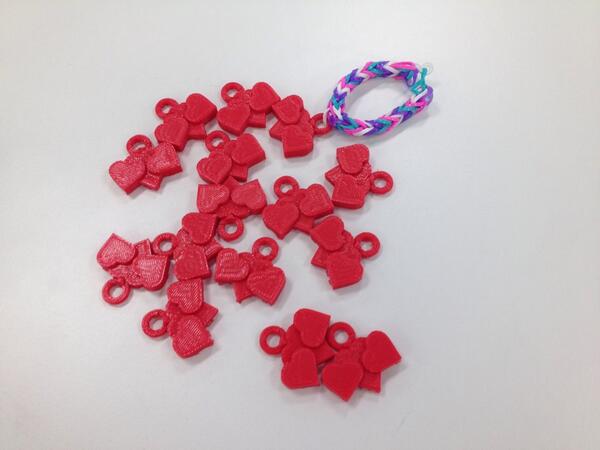
Along with the bracelets, we will send poetry written by students, 3D printed charms designed by students, and a disposable camera to take pictures to send back
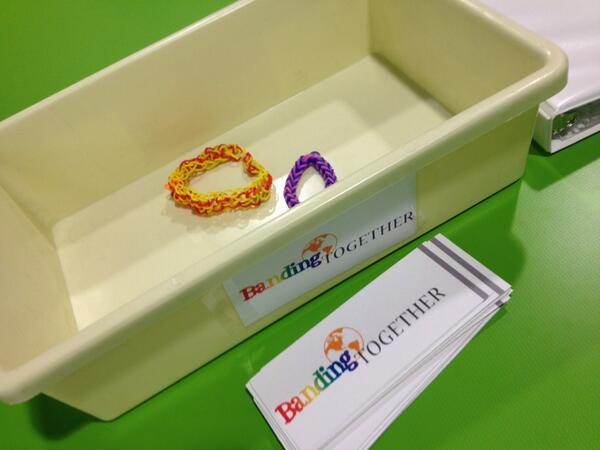
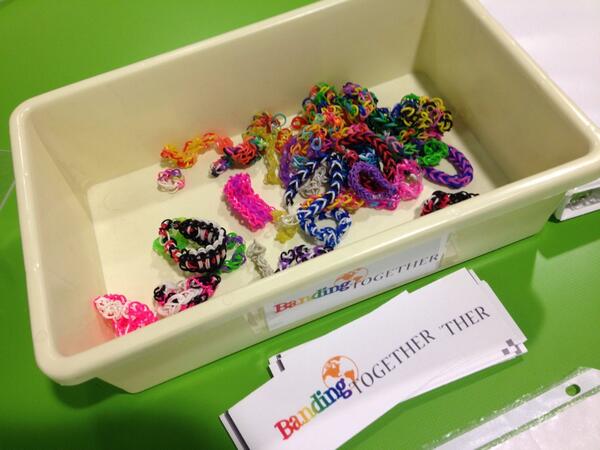
I announced the project this week on our morning BTV. I placed a collection box for Rainbow Loom bracelets on our circulation island, and by the end of the day, a few bracelets had already been donated. Students asked me about the project all day. By the next day, several kids were bringing bracelets in. I was so surprised by the generosity and enthusiasm from the students to send their bracelets across the miles.
First Day
Second Day
Next, we started designing charms for 3D printing. I had already experimented some on my own, and I sent Shannon Miller a file that I made so that her students could print it and learn from the file too. Her students took my file and modified it or examined it in order to design their own.
Shannon’s students in Iowa being inspired by the file I sent them
I have a group of 5th graders who have been exploring different technology and how they might support other classes trying to use that technology. They have already been exploring Tinkercad to design objects for 3D printing, so I knew they would catch on fast to the idea of making charms.
Since the Banding Together project has a lot to do with spreading the joy in our hearts, we have focused our charm design on that theme. We decided that each charm should have some kind of heart. Dmitri designed a heart with a heart hole in the center. Walker designed a charm with the word “love”. Instead of an “o” he used a heart. I designed a triple heart to symbolize India and the US uniting together with our shared joy. We took these first 3 designs and made sure that they printed correctly. Once we saw how they worked, we started mass production.
As charms were ready, parent volunteers helped put them on bracelets. Dmitri and Walker also became quality control and made sure that all of the Rainbow Loom bracelets we were sending had joy-filled quality. They continued attaching charms.
We are waiting on a few more designs to be completed and we will ship our first batch of bracelets and charms.
Next week, we are adding a new layer onto the project with poetry, so look for an update soon about this exciting development that our 2nd graders will be involved in.
I love how this is a project that students in all grades can be a part of whether they made bracelets, wrote poetry, designed charms, or helped with packaging and quality. We truly are banding together in more ways than one.
 Since the beginning of the year, students have been itching to get into our library makerspace to use the many tools housed there. As the librarian, I try to weave as many of these maker tools into curriculum as I can, but the truth is that it’s just not fast enough for our students. Telling them, “I’m waiting to find the right piece of the curriculum to use the littlebits with”, is not acceptable. They want to tinker and explore and see how things work.